
- Home/
- Buy Glucophage Online in the United Kingdom – Fast UK Delivery
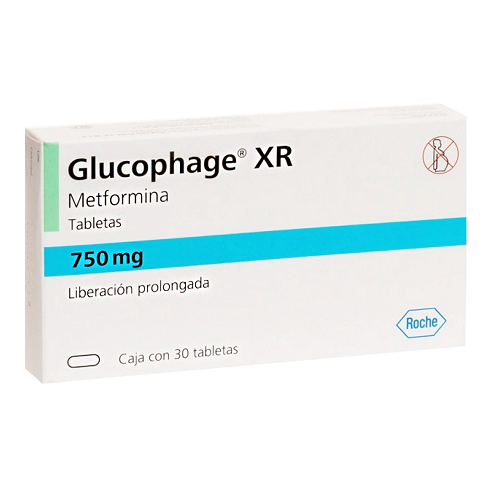
Glucophage in United Kingdom: Complete Medical Guide for Safe Use, Availability, and Patient Experience
Can Glucophage be obtained without a prescription in United Kingdom?
No, Glucophage (Metformin) is a prescription-only medicine in United Kingdom. You must have a valid prescription from a doctor to obtain it from any pharmacy, including online pharmacies. Dispensing without a prescription is illegal and unsafe.
Key Takeaways: What You Need to Know About Glucophage in United Kingdom
- Glucophage is intended for adults with type 2 diabetes, especially when lifestyle changes alone are insufficient.
- A prescription is always required in United Kingdom. It cannot be legally obtained without doctor assessment.
- Most people start to see improvements in blood glucose within 1–2 weeks, but optimal effect may take up to 2–3 months.
- The main safety concern is lactic acidosis, especially in patients with kidney problems—regular monitoring is essential.
- Consult your doctor promptly if you experience unexplained fatigue, abdominal pain, or rapid breathing—these may signal a serious side effect.
- Never stop, start, or adjust your dose without medical supervision.
Table of Contents
- How Does Glucophage Work to Manage Type 2 Diabetes?
- Understanding Patient Expectations: Clinical Observations
- How to Take Glucophage: Dosage, Timing, and Duration Explained
- Food, Alcohol, and Lifestyle: What Interacts with Glucophage?
- Who Should Not Use Glucophage? Contraindications and Special Warnings
- What Side Effects Are Most Common with Glucophage?
- Avoiding Common Mistakes When Taking Glucophage in United Kingdom
- How Does Glucophage Compare to Other Diabetes Medicines?
- Glucophage at a Glance: Technical Data Table
- Compatibility of Glucophage with Other Medicines and Products
- Step-by-Step: How to Obtain Glucophage Safely in United Kingdom
- Staying Safe: How to Identify a Legitimate Online Pharmacy in United Kingdom
- Counterfeit Glucophage: Identification, Generics, and Saving Money Safely
- Special Populations: Use in Elderly, Pregnancy, Driving, and More
- What Should I Do If I Take Too Much Glucophage?
- Managing Diabetes: Psychological Support Matters
- Questions Frequently Asked to doctor
- Clinical Assessment by doctor
- Frequently Asked Questions (FAQ)
- References
How Does Glucophage Work to Manage Type 2 Diabetes?
Glucophage contains the active ingredient Metformin, which is classified as a biguanide antihyperglycaemic agent. Its main action is to reduce blood sugar (glucose) levels in people with type 2 diabetes, particularly when diet and exercise alone are not enough.
Biochemical mechanism: Metformin works by inhibiting hepatic gluconeogenesis (the process by which the liver produces new glucose). It does this primarily by blocking the mitochondrial respiratory-chain complex I, leading to decreased cellular energy availability for glucose production. It also increases insulin sensitivity in muscle cells, enhancing peripheral glucose uptake, and reduces absorption of glucose from the gut.
Unlike some other antidiabetic agents, Metformin does not stimulate insulin release from the pancreas, so it generally does not cause low blood sugar (hypoglycaemia) when used alone.
Visualisation: Imagine your liver as a factory making sugar all day. Metformin partially shuts down the factory, while also making your muscles more efficient at burning up the sugar you eat, so less “excess” sugar remains in your blood.
Effectiveness is independent of food intake, but absorption may be improved when taken with meals. No specific external trigger is necessary for Glucophage to act, but consistent use is essential for stable results.
Myth vs Reality
Myth: Metformin (Glucophage) works instantly to control blood sugar.
Reality: Its full effect develops gradually over days to weeks; missed doses or irregular use significantly reduce its benefit.
For detailed pharmacology, readers may consult the European Medicines Agency or the NHS.
Mismatched Expectations: What Patients Rarely Ask About Glucophage’s Progress
As a clinician, I often notice patients expect rapid, almost immediate results after starting Glucophage. In reality, improvements in blood sugar may take several days, and it can be up to 12 weeks before the maximum effect is reached. Many patients judge “success” by how they feel, yet type 2 diabetes is often symptomless until complications arise. It’s common for people to forget that feeling well doesn’t guarantee good glucose control—regular blood testing is crucial. Patients rarely ask about how to interpret their home glucose readings over time, or when to suspect the medication isn’t working optimally. Another issue is underestimating the importance of taking the medicine consistently, even when symptoms are absent. These gaps between expectation and reality can delay achieving target glucose levels or mask the need for timely therapy adjustments.
How to Take Glucophage: Dosage, Timing, and Duration Explained
Glucophage is available in several strengths in United Kingdom: 500 mg, 850 mg, and 1000 mg standard-release tablets; and 500 mg, 750 mg, and 1000 mg prolonged-release (XR) tablets.
- Starting dose: Usually 500 mg once or twice daily, taken with meals to reduce stomach upset.
- Gradual increase: The dose is increased every 1–2 weeks based on blood glucose response and tolerance.
- Maximum daily dose: 2000 mg to 3000 mg per day, split into 2–3 doses—never exceed this without explicit medical instruction.
- Extended-release (XR) formulations: Often taken once daily with the evening meal.
Peak effect: Steady-state blood levels are achieved in 24–48 hours, but clinical benefit may take several days to weeks.
Tablet splitting: Only 500 mg and 1000 mg standard tablets may be split if scored; XR tablets must not be cut or crushed.
Special populations: Elderly patients, those with kidney, or liver impairment often require lower starting doses and careful monitoring (see below).
Always follow your doctor’s exact instructions. Never start, stop, or change your dose without medical advice.
Food, Alcohol, and Lifestyle: What Interacts with Glucophage?
Food: Taking Glucophage with or after meals significantly reduces the likelihood of gastrointestinal side effects (such as nausea or diarrhoea) and may improve absorption. High-fat meals do not delay its effect but may worsen stomach upset in some individuals.
- Grapefruit juice: No known significant interaction with Glucophage.
- Alcohol: Strictly limit or avoid alcohol while on Glucophage. Binge drinking or even moderate intake in combination with certain risk factors (such as fasting, dehydration, or liver disease) increases the risk of potentially fatal lactic acidosis. For most patients, a small occasional glass of wine (less than 14 units per week, as per NHS guidance) is considered low risk, but always check with your doctor.
- Other lifestyle factors: Dehydration, major surgery, or severe infections may require temporary suspension of Glucophage; always inform your healthcare team in these situations.
Myth vs Reality
Myth: Because Metformin is “not metabolized” by the liver, alcohol use is always safe.
Reality: Both alcohol and Metformin impair lactate clearance—combining them may be dangerous, especially with other risk factors.
Who Should Not Use Glucophage? Contraindications and Special Warnings
- Absolute Contraindications (Never Use):
-
- Severe kidney impairment (eGFR below 30 mL/min/1.73m2).
- Acute metabolic acidosis (including diabetic ketoacidosis, lactic acidosis, or severe dehydration).
- Severe liver disease or significant alcohol misuse.
- Recent major surgery, severe infection, or shock.
- Known hypersensitivity to Metformin or any tablet component.
- Relative Contraindications (Use Only Under Specialist Guidance):
-
- Moderate renal impairment (eGFR 30–45 mL/min/1.73m2): possible dose reduction and close monitoring.
- Heart failure (especially unstable or treated with certain diuretics).
- Elderly patients over 80 years (unless kidney function is confirmed normal).
- Pregnancy: Usually avoided, except under specialist advice—insulin is safer.
- Severe gastrointestinal conditions (risk of malabsorption or dehydration).
- Specific Interacting Substances:
-
- Intravenous iodinated contrast agents: must temporarily stop Glucophage before and after contrast procedures.
- Cimetidine: increases Metformin blood levels and risk of side effects.
- Diuretics and ACE inhibitors: may affect kidney function—monitor closely.
Timing after illness: After an episode of acute illness or hospitalisation, your doctor will advise when it’s safe to restart Glucophage, depending on kidney and liver function recovery.
What Side Effects Are Most Common with Glucophage?
Very Common (>1 in 10):
- Gastrointestinal upset: nausea, vomiting, diarrhoea, stomach pain, and loss of appetite (especially at treatment initiation).
Common (1 in 10 to 1 in 100):
- Taste disturbance (metallic taste).
- Weight loss (usually mild and beneficial).
Rare (<1 in 1,000):
- Lactic acidosis (potentially fatal—characterised by rapid breathing, severe weakness, abdominal pain).
- Skin rashes, redness, or itching.
- Abnormal liver function tests or hepatitis (very rare).
- Vitamin B12 deficiency (especially with long-term use).
How to respond: Mild stomach upset usually subsides with time. Severe or persistent symptoms, especially signs of lactic acidosis (deep rapid breathing, confusion, severe weakness), require urgent medical attention. If you develop a rash, swelling, or breathing difficulty, stop Glucophage and seek immediate help—these may be signs of allergy.
Common Pitfalls: Mistakes Patients Make When Using Glucophage
- Missing doses or taking tablets at inconsistent times: This leads to fluctuating blood sugar and reduced effectiveness. Set alarms or reminders to take it with meals as prescribed.
- Stopping medication after feeling better or experiencing minor side effects: Diabetes symptoms often aren’t obvious; improvement does not mean the disease is cured. Always consult your doctor before stopping.
- Taking Glucophage on an empty stomach: Increases risk of stomach upset. Always take with or just after food unless told otherwise.
- Not telling doctors about Glucophage use before surgery or contrast scans: Can increase risk of lactic acidosis. Always inform all healthcare professionals about your medication list.
- Ignoring the need for regular blood tests (kidney, liver, and vitamin B12): Failing to monitor can miss early signs of complications. Attend all scheduled check-ups.
- Assuming herbal supplements or over-the-counter medicines are safe: Some can interact with Glucophage. Always check with your pharmacist or doctor before adding new products.
How Does Glucophage Compare to Other Diabetes Medicines?
Below is a comparison of Glucophage with two commonly prescribed alternatives for type 2 diabetes: Sitagliptin and Gliclazide.
| Criteria | Glucophage (Metformin) | Sitagliptin (Januvia) | Gliclazide (Diamicron) |
|---|---|---|---|
| Onset of effect | Within days; max. effect in 1–3 months | Within days | Within hours |
| Duration of action | ~12 hours (standard); up to 24h (XR) | ~24 hours | ~12–24 hours |
| Main side effects | GI upset, lactic acidosis (rare) | Headache, nasal congestion | Hypoglycaemia, weight gain |
| Risk of hypoglycaemia | Very low alone | Very low | High if meals missed |
| Estimated price per month1 (NHS/private) | £2–£5 (NHS prescription price); £10–£20 privately | £29–£40 | £2–£6 (NHS); £10–£18 privately |
1. Prices as of early 2026, United Kingdom, subject to regional variation.
Bottom line: Glucophage remains first-line per NICE guidelines due to its cardiovascular benefit, weight neutrality, and low cost. Alternatives may be added or substituted in specific cases, e.g. intolerance or contraindications.
Glucophage at a Glance: Technical Data Table
| Active Ingredient | Metformin hydrochloride |
| Therapeutic Class | Oral antidiabetic (biguanide) |
| Formulations Available | 500 mg, 850 mg, 1000 mg tablets; 500-1000 mg XR tablets |
| Half-life (T1/2) | ~6.5 hours (standard), ~17 hours (XR) |
| Absorption | ~50–60% (enhanced with food) |
| Metabolism | Not metabolised; excreted unchanged in urine |
| Storage | Below 25°C, original packaging |
| Prescription status | Prescription only (POM) |
| Manufacturer(s) | Merck, generics by multiple UK-licensed companies |
Compatibility Glucophage with Other Products: Quick-Check Table
| Product/Drug | Can it be combined? | Possible consequences |
|---|---|---|
| Insulin | Yes (under supervision) | Enhanced glucose lowering; monitor for hypoglycaemia |
| Alcohol (excessive) | NO | Risk of lactic acidosis; can be fatal |
| NSAIDs (e.g. ibuprofen) | Yes (short term) | Monitor kidney function with long-term use |
| Diuretics | With caution | Risk of dehydration, kidney strain |
| Iodinated contrast (X-rays/CT scans) | NO (temporarily stop Glucophage) | Risk of acute kidney injury, lactic acidosis |
| Grapefruit juice | Yes | No significant interaction |
| Herbal supplements | Caution | Potential unknown interactions |
Step-by-Step: How to Obtain Glucophage Safely in United Kingdom
-
Step 1: Book a GP or specialist diabetes appointment.
Discuss your symptoms, medical history, and any previous attempts at diet and exercise control. -
Step 2: Undergo medical assessment.
This typically includes blood tests (HbA1c, kidney, and liver function), review of current medicines, and risk factor assessment. -
Step 3: Receive your prescription.
If Glucophage is appropriate, your doctor will issue a prescription—either paper or electronic (EPS). -
Step 4: Collect from a UK-registered pharmacy.
Present your prescription at a local or online NHS-approved pharmacy for dispensing. Pharmacist may provide advice and check for interactions. -
Step 5: Follow-up and monitoring.
Your doctor will schedule regular reviews to check response, side effects, and lab results. Adjustments may be made as needed. - Telemedicine: Many UK clinics now offer remote consultations and can send electronic prescriptions to a pharmacy of your choice.
Staying Safe: How to Identify a Legitimate Online Pharmacy in United Kingdom
- Check for GPhC registration: Every legitimate pharmacy must be registered with the General Pharmaceutical Council (GPhC). Look for the GPhC logo and verify on their site.
- Verify the address: The website should display a UK address and contact number. Beware of sites hiding these details.
- Assess prescription requirements: Any online seller offering Glucophage without a prescription is illegal and unsafe.
- Watch for ultra-low prices: Prices far below standard NHS/private rates may indicate counterfeit or unlicensed medicines.
- Check for NHS branding: NHS-approved pharmacies are listed on the NHS website.
- Do not trust overseas sellers: Importing medicines can be illegal and dangerous.
- Look for patient information leaflets: Legitimate pharmacies supply UK-licensed leaflets and packaging.
Counterfeit Glucophage: Identification, Generics, and Saving Money Safely
How to identify genuine Glucophage:
- Check for manufacturer details (Merck or other UK-licensed company) and UK regulatory symbols on the packaging.
- Original tablets are white, round or oblong, may be scored (500 mg), and are packed in blisters with clear batch numbers and expiry dates.
- Packaging should include a patient information leaflet in English, and often a QR code, hologram, or embossed logo (as per latest UK standards).
- Counterfeit products may have spelling errors, low-quality print, missing or vague manufacturer information, or unfamiliar logos.
- If the price is suspiciously low or packaging looks different from previous prescriptions, consult your pharmacist before use.
Generics vs. original Glucophage: Generic Metformin tablets are required by the UK Medicines and Healthcare products Regulatory Agency (MHRA) to be bioequivalent to the original Glucophage. Differences may include inactive ingredients (excipients), size, or colour. Rarely, excipients in generics can cause allergic reactions in sensitive individuals.
Advantages of generics: Substantially lower cost, widely available, and equally effective. Always buy through registered UK pharmacies to ensure authenticity and safety.
Special Populations: Using Glucophage for Elderly, Pregnancy, Driving, and More
- Elderly: Dose adjustment and kidney function testing are essential. Higher risk of vitamin B12 deficiency and lactic acidosis—regular monitoring required.
- Children: Not routinely used in those under 10 years old; paediatric use only under specialist care.
- Pregnancy and breastfeeding: Glucophage is generally avoided during pregnancy (insulin is preferred), but may be continued in some women with gestational diabetes on specialist advice. Small amounts pass into breast milk; discuss risks with your doctor.
- Driving/operating machinery: Glucophage alone does not cause hypoglycaemia, so does not impair driving skills. However, if used with other glucose-lowering medicines, monitor for low blood sugar symptoms. Always check DVLA regulations if you are a professional driver.
- Fertility: May improve ovulatory function in women with polycystic ovary syndrome (PCOS), but not a fertility treatment per se.
What Should I Do If I Take Too Much Glucophage?
- Stop taking Glucophage immediately.
- Call 999 or your local emergency services without delay—especially if you feel unwell.
- Report the dose taken and time to the medical professional.
- Do not attempt to treat yourself at home. Lactic acidosis is a medical emergency and symptoms may be subtle at first (fatigue, vomiting, abdominal pain, rapid breathing).
Managing Diabetes: Psychological Support Matters
Type 2 diabetes is extremely common in United Kingdom and can affect anyone, regardless of lifestyle. Many people feel overwhelmed or frustrated managing a long-term condition. It is normal to feel this way. Sharing concerns with your healthcare team, friends, or joining a local diabetes support group can improve both wellbeing and treatment outcomes. Don’t hesitate to ask for help—effective support is available and you are not alone.
Questions Frequently Asked to doctor
- How will I know if Glucophage is working for me?
- We monitor your progress mainly with blood tests, especially HbA1c (average blood sugar over 2–3 months). Some people may also notice fewer diabetic symptoms, such as less thirst or tiredness, but these aren’t reliable markers. Consistent readings in your target range are the best sign.
- What should I do if I have diarrhoea or stomach upset from Glucophage?
- Gastrointestinal side effects are common, particularly at the start. Taking tablets with food and starting on a low dose usually helps. If symptoms persist beyond 2 weeks, or are severe, contact me—sometimes a slow-release formulation or dose adjustment is needed.
- If I lose weight or change my diet, can I stop Glucophage?
- Potentially, yes, but only after discussion and blood tests. Some people can control their diabetes with lifestyle changes alone after initial medication. Never stop abruptly—always check with your doctor first.
- Can I take Glucophage with my other medicines?
- Usually yes, but there are important exceptions—especially for certain blood pressure medicines, diuretics, or before x-ray scans with contrast. Always bring a full list of your medicines to each appointment.
- Do I need to check my blood sugar every day once I start Glucophage?
- For most people with type 2 diabetes not using insulin, daily finger-prick testing isn’t required unless your doctor advises. We focus on regular lab tests, but you may be asked to monitor at home in certain situations.
- How often will I need check-ups?
- Typically, every 3–6 months at first, then at least annually, or more frequently if you have risk factors or complications.
- Can Glucophage help with weight loss?
- Some patients experience modest weight loss while taking Glucophage, but it should not be used solely for this purpose. The main goal is to improve glucose control and reduce long-term complications.
Clinical Assessment by doctor
In my clinical practice, Glucophage is most beneficial for adults newly diagnosed with type 2 diabetes, especially those who are overweight, have stable kidney function, and require a medication that does not cause hypoglycaemia or weight gain. It is less suitable for patients with advanced kidney or liver disease, heavy alcohol use, or those unable to attend regular follow-up appointments. For patients intolerant to Glucophage, or those with persistently high glucose despite optimal use, alternative therapies such as SGLT2 inhibitors or GLP-1 receptor agonists may be preferable, particularly in patients with cardiovascular complications. The risk of lactic acidosis, though rare, becomes more relevant in frail elderly or acutely unwell patients, so dose and monitoring adjustments are crucial in these groups. Reassessment is warranted if side effects are persistent or if there are changes in health status. Shared decision-making and ongoing education are key to successful long-term management.
Frequently Asked Questions (FAQ)
- Is Glucophage the same as Metformin?
- Yes, Glucophage is a brand name for Metformin, the most widely used oral diabetes medicine worldwide. Generics contain the same active ingredient and are equally effective when obtained from licensed UK pharmacies.
- How quickly does Glucophage lower blood sugar?
- Blood sugar may begin to drop within days of starting Glucophage, but optimal results may take 2–12 weeks. Regular use is key for stable effects.
- Can I get Glucophage without a prescription in United Kingdom?
- No. In United Kingdom, Glucophage (Metformin) is only available with a valid doctor’s prescription, including for online purchases.
- What is the usual starting dose of Glucophage?
- The typical starting dose is 500 mg once or twice daily with meals. The dose is gradually increased based on your doctor’s recommendations and blood tests.
- Are there foods or drinks I must avoid while on Glucophage?
- Avoid heavy alcohol consumption as it increases the risk of serious side effects. Take tablets with meals to reduce stomach upset. There are no significant interactions with most foods, including grapefruit juice.
- What should I do if I miss a dose?
- If you forget a dose, take it as soon as you remember, unless it’s almost time for your next dose. Do not double up. Resume your schedule and inform your doctor if it happens frequently.
- Does Glucophage cause low blood sugar?
- Not usually when used alone. However, the risk increases if combined with insulin or other diabetes medicines.
- Can I take Glucophage if I have kidney problems?
- Only if your kidney function is above a certain level and under close medical supervision. It’s contraindicated in severe renal impairment.
- How much does Glucophage cost in United Kingdom?
- On the NHS, the standard prescription charge applies (currently £9.65 per item in England in 2026; free in Scotland, Wales, and Northern Ireland). Private prices may range from £10–£20 per month.
- How do I report side effects or suspected counterfeit Glucophage?
- Report side effects to your doctor or via the UK Yellow Card Scheme (yellowcard.mhra.gov.uk). Suspected counterfeits should be taken to your pharmacist or reported to the MHRA.
References
- NHS. Metformin. Accessed 2026. https://www.nhs.uk/medicines/metformin/
- National Institute for Health and Care Excellence (NICE). Type 2 diabetes in adults: management (NG28). Accessed 2026. https://www.nice.org.uk/guidance/ng28/
- European Medicines Agency. Metformin: EPAR summary for the public. Accessed 2026. https://www.ema.europa.eu/en/medicines/human/EPAR/metformin
- MHRA. Medicines and Healthcare products Regulatory Agency. Accessed 2026. https://www.gov.uk/government/organisations/medicines-and-healthcare-products-regulatory-agency
- PubMed. Bailey CJ, Turner RC. Metformin. N Engl J Med. 1996;334:574-9. Accessed 2026. https://pubmed.ncbi.nlm.nih.gov/
- World Health Organization (WHO). Model List of Essential Medicines. Accessed 2026. https://www.who.int/publications/i/item/WHO-MHP-HPS-EML-2023.02
- Diabetes UK. Metformin and other medicines. Accessed 2026. https://www.diabetes.org.uk/guide-to-diabetes/managing-your-diabetes/treating-your-diabetes/tablets-and-medication/metformin

