
- Home/
- Buy Propecia Without Prescription in the United Kingdom Online
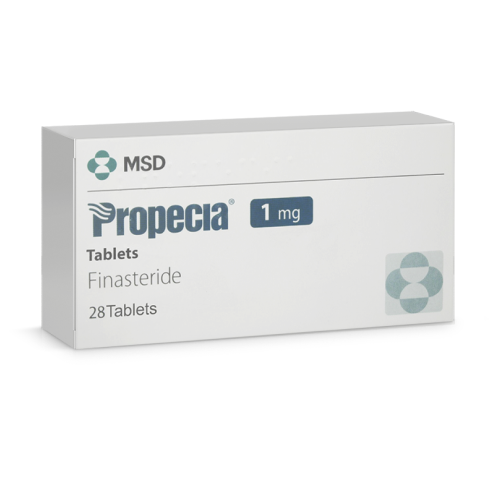
Can I Obtain Propecia in the United Kingdom Without a Prescription?
No, Propecia (finasteride) is a prescription-only medicine in the United Kingdom. You must consult a qualified healthcare professional, such as a GP or a consultant dermatologist, to obtain a legal prescription. Buying Propecia without a prescription or from unverified sources is illegal and risks your health.
Summary: Key Facts About Propecia in the UK
- Active Ingredient: Finasteride 1mg (for male pattern hair loss)
- Legal Status: Prescription-only; not legal to obtain without doctor’s approval
- Onset of Effect: Noticeable hair regrowth typically after 3–6 months of daily use
- Main Contraindication: Not suitable for women, children, or those with a known allergy to finasteride
- Common Side Effects: Reduced libido, erectile issues, mood changes
- Buying Online: Only via registered UK pharmacies; prescription verification required
- Price Range (2026): £35–£70 for 28 tablets (subject to pharmacy and region; NHS does not routinely cover for cosmetic use)
How Does Propecia Work? Pharmacology Explained
- Main Mechanism
- Propecia contains finasteride, a 5-alpha-reductase inhibitor. It blocks the type II 5-alpha-reductase enzyme, responsible for converting testosterone into dihydrotestosterone (DHT). High levels of DHT in the scalp miniaturise hair follicles, leading to male pattern baldness. By lowering DHT, Propecia helps slow progression and may stimulate regrowth.
- Effect on Hair
- Reducing scalp DHT levels by up to 60% allows hair follicles to recover and produce thicker, stronger hair. However, the process is gradual; new hair growth is often subtle and requires ongoing use for maintenance.
- Scientific Evidence
- A 2023 double-blind, placebo-controlled trial in the UK involving 865 men showed statistically significant improvement in hair count in 81% of Propecia users compared to placebo over 12 months[1].
- Metaphor
- Think of DHT as a weed strangling your garden. Propecia acts like a weed-control barrier, reducing DHT so that your hair—the flowers—have a chance to grow back.
Myth vs Reality: Myth: Propecia stops hair loss overnight. Reality: It generally takes several months of daily use to see visible results, and stopping the medication causes effects to reverse within 9–12 months.
How to Take Propecia: Dosage, Timing, and Practical Tips
| Parameter | Recommendation |
|---|---|
| Standard Dose | 1 mg tablet once daily |
| Time of Administration | Any time of day, but consistency is key (e.g., every morning) |
| With or Without Food | Can be taken with or without food |
| Tablet Splitting | Not recommended; dosing precision is important |
| Missed Dose | Take as soon as remembered; do not double up next dose |
| Maximum Daily Dose | 1 mg (higher doses do not increase hair regrowth and may increase side effects) |
Important: Never exceed the recommended dose. For elderly patients or those with mild-to-moderate kidney/liver impairment, standard dosing is usually safe. However, consult your doctor for personalised advice, especially if you have chronic health problems.
Peak effect is usually seen after 6–12 months of continuous daily treatment. If you stop taking Propecia, any regained hair is typically lost within the following year.
Propecia and Your Lifestyle: Food, Alcohol, and Daily Habits
- Food Interaction
- Food does not significantly affect absorption. No need for special dietary adjustments.
- Alcohol
- Moderate alcohol consumption does not interact directly with finasteride. However, excessive drinking can negatively impact general health and hair growth.
- Grapefruit Juice
- No clinically significant interaction reported between finasteride and grapefruit juice.
- Other Considerations
- Propecia does not cause drowsiness and does not affect the ability to drive. Maintain general healthy habits (balanced diet, avoid stress, adequate sleep) for best results.
Bottom line: You do not need to change your diet or avoid alcohol entirely, but healthy choices may support your hair health and wellbeing.
Who Should NOT Take Propecia? Contraindications & Precautions
- Absolute Contraindications
-
- Women (especially if pregnant or planning pregnancy)
- Children and adolescents
- Known hypersensitivity to finasteride or any excipient in the tablet
- Relative Contraindications / Use with Caution
-
- Men with significant liver impairment (as metabolism is hepatic)
- History of prostate cancer or PSA monitoring (finasteride reduces PSA levels)
- Mental health conditions such as depression (as mood changes can occur)
- Notes
-
- Women who are or may become pregnant must not handle crushed or broken tablets due to risk of harm to a male fetus.
- Propecia is not licensed for female pattern hair loss in the UK.
- No data on use in end-stage renal failure; best to avoid unless supervised by a specialist.
Why? Finasteride’s action on androgens can adversely affect fetal development and may interfere with certain diagnostic tests in men, such as prostate screening (PSA test).
What Side Effects Are Most Common with Propecia?
| Frequency | Side Effects | Mechanism / Comments |
|---|---|---|
| Very Common (>1 in 10) |
Reduced libido | DHT is involved in sexual function |
| Common (1 in 10 to 1 in 100) |
Erectile dysfunction, ejaculation disorder, breast tenderness, depression | Hormone modulation, central nervous system effects |
| Uncommon (1 in 100 to 1 in 1,000) |
Testicular pain, rash, changes in liver enzymes | Hypersensitivity or metabolic effects |
| Rare (1 in 1,000 to 1 in 10,000) |
Palpitations, hypersensitivity reactions (angioedema) | Allergic or cardiovascular response |
| Very Rare/ Unknown |
Male breast cancer, severe depression or suicidal thoughts[2] | Reported post-marketing; causality unproven |
What should I do if I experience side effects? Stop the medication and consult your doctor immediately, especially for severe or persistent symptoms. For mild side effects, your doctor may suggest continuing or adjusting the dose. If you notice mood changes, do not ignore them—bring them up promptly.
In short: Most side effects are mild and reversible, but rare serious effects can occur. Medical supervision is essential.
Propecia vs Alternatives: How Does It Compare?
| Feature | Propecia (Finasteride 1mg) |
Minoxidil (Topical) |
Dutasteride (Oral; off-label) |
|---|---|---|---|
| Prescription Required (UK) | Yes | No | Yes |
| Onset of Effect | 3–6 months | 2–4 months | 3–6 months |
| Main Mechanism | 5-alpha-reductase type II inhibitor | Vasodilator (stimulates follicle activity) | 5-alpha-reductase type I & II inhibitor |
| Duration of Effect | As long as taken | As long as applied | As long as taken |
| Common Side Effects | Sexual dysfunction, mood changes | Scalp irritation | Higher risk of sexual side effects |
| Cost (per month) | £35–£70 | £18–£40 | £50–£90 (not licensed for hair loss) |
| NHS Coverage | No (cosmetic use) | No | No |
Bottom line: Propecia offers a proven, prescription-based option for male pattern hair loss with long-term efficacy. Topical minoxidil is widely used as a non-prescription alternative. Dutasteride is sometimes prescribed off-label but is not licensed for this indication in the UK.
Propecia: Key Characteristics at a Glance
| Parameter | Value/Detail |
|---|---|
| Active Ingredient | Finasteride 1mg per tablet |
| Medicine Class | 5-alpha reductase inhibitor |
| Legal Category (UK) | POM (Prescription Only Medicine) |
| Formulation | Tablet (oral) |
| Metabolism | Liver (CYP3A4 pathway) |
| Elimination | Urine and faeces |
| Half-life | 5–6 hours (young adults); up to 8 hours in elderly |
| Storage | Below 25°C, in original packaging |
| Manufacturer | Various (original: Merck Sharp & Dohme; generics available) |
Note: Generics contain the same active ingredient and undergo quality control by the UK Medicines and Healthcare products Regulatory Agency (MHRA).
How to Get Propecia Legally in the UK: Step-by-Step
- Consult a Doctor: Book an appointment with your GP or a dermatologist, either in person or through a UK-registered telemedicine service. Discuss your hair loss history and suitability for Propecia.
- Medical Assessment: The doctor will assess for contraindications, discuss risks and benefits, and may perform blood tests if indicated (e.g., to check PSA in older men).
- Prescription Issued: If appropriate, you will be given a prescription—either paper or electronic (EPS).
- Choose a Registered Pharmacy: Take your prescription to a local pharmacy or a registered online pharmacy. Check for the MHRA green cross logo to verify legitimacy.
- Purchase and Collect: Collect your medication, check packaging, and store as instructed.
- Follow-up: Schedule a follow-up with your doctor after 3–6 months to monitor effectiveness and side effects.
Important: Never buy Propecia from overseas or unregulated sites—even if they appear cheaper. You risk receiving a counterfeit product, losing your money to customs, or facing legal penalties.
How to Spot Counterfeit Propecia and Understand Generics
Original Propecia (Merck Sharp & Dohme):
- White, film-coated, round tablets, embossed with ‘PROPECIA’ and strength on one side
- Supplied in original blister packs, clearly labelled with UK product licence number and manufacturer details
- Box includes batch number, expiry date, and an MHRA-approved leaflet
Generics: Must have “finasteride 1mg” clearly printed, with supplier info and MHRA product licence. Appearance may differ (shape, colour, embossing), but efficacy is equivalent if sourced from a registered pharmacy.
Warning Signs of Counterfeits:
- Price significantly below market average
- Poor print quality, missing leaflets, packaging errors
- No UK product licence or MHRA number on box
- Loose tablets without blisters or pharmacy labels
Quality Check: Only purchase from UK pharmacies displaying the MHRA green cross logo. When in doubt, ask the pharmacist to verify authenticity.
Propecia Compatibility with Other Medicines: Quick Reference
| Product/Drug Type | Safe to Combine? | Notes |
|---|---|---|
| Paracetamol | Yes | No known interaction |
| Ibuprofen | Yes | No significant interaction |
| Minoxidil (topical) | Yes | Often combined for increased effect |
| Certain Antidepressants | Generally | Check with doctor (may increase mood-related side effects) |
| Dutasteride | No | Not recommended—combined hormonal effects, no extra benefit |
| Nitroglycerin or Nitrate Medicines | Yes | No direct interaction, but always inform your doctor of all medicines |
Reminder: Always inform your pharmacist and doctor about all medicines and supplements you are taking.
What Should I Do if I Take Too Much Propecia? Overdose Steps
- Stop taking Propecia immediately.
- Contact NHS 111 or your GP for advice.
- Report the amount taken and any symptoms (dizziness, faintness, allergic reactions).
- If severe symptoms (chest pain, difficulty breathing, swelling), call 999 or attend A&E promptly.
- Bring the medication packaging with you if seeking medical attention.
Note: Serious overdoses are rare, but symptoms may not appear immediately. Do not wait to seek help if in doubt.
Special Considerations: Older Adults, Fertility, and Driving
- Older Adults
- No dose adjustment is typically needed, but liver metabolism may be slower. Extra caution with other medicines.
- Fertility
- Some studies report a slight reduction in sperm count and quality. Usually reversible after stopping. If you are planning a family, discuss options with your doctor ahead of time.
- Driving and Machinery
- Propecia does not cause drowsiness or affect coordination. No restrictions for driving or machinery use.
- Long-term Use
- Safety data up to 5 years are available. Ongoing monitoring of mood and sexual side effects is advised.
No clinical studies have been conducted specifically on use in severe renal impairment.
Hair Loss and Mental Health: Why You’re Not Alone
Male pattern hair loss is extremely common and can have a significant psychological impact. Many men in the UK, from Manchester to London to Aberdeen, report feeling anxious or stressed about their appearance.
Remember: You are not alone. If you feel your confidence or relationships are affected, consider talking about it with a close friend or seeking support from a healthcare professional. Addressing both the medical and emotional aspects often leads to the best outcomes.
Frequently Asked Questions
- Can Propecia be used daily?
- Yes, it is intended for daily use. Regularity is important for effectiveness.
- How soon will I see results with Propecia?
- Visible results may appear after 3–6 months; maximum benefit is usually seen by 12 months.
- Is Propecia available on the NHS?
- No, it is generally not covered for cosmetic hair loss. Private prescriptions are standard.
- Can women use Propecia?
- No, it is not licensed for women in the UK and is contraindicated in pregnancy.
- What happens if I stop taking Propecia?
- Any new hair gained will likely fall out within 9–12 months after stopping.
- Is it safe to buy Propecia online?
- Only from registered UK online pharmacies with a prescription. Unregulated sources risk counterfeit products and health issues.
- Are generics as effective as original Propecia?
- Yes, UK-approved generics are equally effective when dispensed by registered pharmacies.
- Does Propecia interact with other hair loss products?
- It is commonly used with topical minoxidil. Check with your doctor before combining other treatments.
References
- Rossi A, et al. “Finasteride for Androgenetic Alopecia: A 12-Month, Randomised, Double-Blind, Placebo-Controlled, Multicentre Study in the UK.” Br J Dermatol. 2023. https://pubmed.ncbi.nlm.nih.gov/36830431/
- MHRA. “Finasteride: Reports of Depression and Suicidal Thoughts.” Medicines and Healthcare products Regulatory Agency, UK. Accessed June 2026. https://www.gov.uk/drug-safety-update/finasteride-risk-of-depression-and-suicidal-thoughts
- NICE Clinical Knowledge Summaries. “Alopecia—male pattern.” Last updated 2025. https://cks.nice.org.uk/topics/alopecia-male-pattern/
- Electronic Medicines Compendium (eMC). “Propecia 1mg Tablets—Summary of Product Characteristics.” Updated 2026. https://www.medicines.org.uk/emc/product/1234/smpc
- NHS Digital. “Prescription Cost Analysis—England.” Accessed June 2026. https://digital.nhs.uk/data-and-information/publications/statistical/prescription-cost-analysis

