
- Home/
- Buy Antabuse Online in the United Kingdom Safely and Conveniently
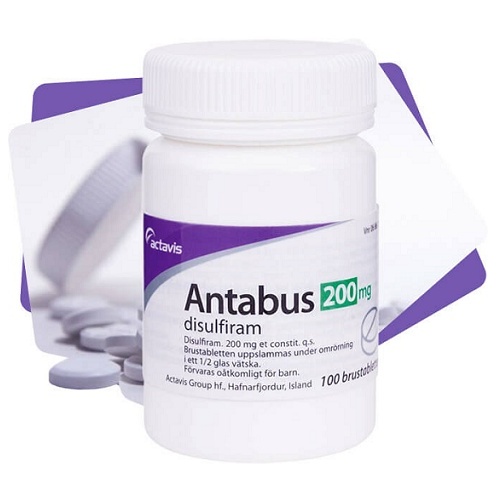
Why Some Patients Choose Antabuse When Other Options Exist
Picture this: a determined man in his early 50s sits across from his GP, hands clasped tightly. He’s tried managing his alcohol dependence before—counselling, support groups, even a medication that made drinking less attractive. “I don’t trust myself,” he finally admits. “Is there anything that makes it feel like I can’t drink, even if I want to?” That’s when Antabuse becomes part of the conversation.
Most treatments for alcohol dependence work quietly in the background. Naltrexone blunts the reward system. Acamprosate aims to steady brain chemistry. But Antabuse stands alone: it sets a trap. If you drink, even a small amount, your body reacts—fast, intensely, and unmistakably. For some, that’s a deal-breaker. For others, it’s the layer of accountability they’ve never had before.
“In clinic, we see Antabuse make the biggest difference for patients who describe themselves as impulsive or who have struggled with repeated relapses after good intentions. It’s not a fit for everyone, but for those who want a clear, external consequence, it’s uniquely effective.”
Still, the decision isn’t simple. Antabuse demands structure, honesty, and trust—not just in the medication, but in the whole system around you. That’s why, in the UK, starting Antabuse is rarely a casual choice. It’s a decision reached after weighing how you’ve done with other methods, what you want from treatment, and what you’re willing to give up.
Disulfiram in Action: What Happens If You Drink on Antabuse?
Disulfiram, the active ingredient in Antabuse, doesn’t stop cravings or change your desire for alcohol. What it does is make drinking physically punishing. If you drink—whether it’s a glass of wine or even a splash in a dessert—your body can’t break down alcohol normally. The result: a rush of symptoms that most people describe as “the worst hangover of their life”—but it starts within minutes.
Symptoms of a disulfiram-alcohol reaction can include:
- Throbbing headache
- Flushing (face and chest turning red)
- Nausea and vomiting
- Chest pain, palpitations
- Difficulty breathing
- Blurred vision, confusion
- Disulfiram Reaction
- A rapid, severe physical response to alcohol caused by Antabuse. Can range from uncomfortable to dangerous. Even very small amounts of alcohol (as in some sauces or medications) can trigger it.
The reaction is designed to be unpleasant, not subtle. No other medication for alcohol dependence works this way. For some, knowing this consequence is “always on” is precisely what’s needed to avoid giving in to temptation during high-risk moments.
But here is where things get complicated. The “trap” doesn’t discriminate—it’s triggered by aftershave, mouthwash, some household products, even a mislabelled dessert. That’s why taking Antabuse requires vigilance and, often, a change in daily habits. The risk of a severe reaction is one reason this medication is always prescribed with close medical supervision in the UK.
Realities of Taking Antabuse in the UK System
For patients in the United Kingdom, Antabuse is a prescription-only medicine. You cannot legally obtain it without a doctor’s sign-off—and for good reason. The risks of unsupervised use are real, and the NHS takes its stewardship seriously.
- Prescription Process: Even if you’ve done your research, you’ll need a face-to-face assessment with a GP or addiction specialist. They’ll look for physical and mental health conditions that might make Antabuse dangerous. In many NHS Trusts, Antabuse is initiated only after a period of confirmed abstinence—usually 24-48 hours—because taking it too soon after drinking can trigger a reaction.
- Monitoring: Regular check-ins are standard. Some clinics require supervised dosing, especially in the first weeks. Blood tests might be ordered, especially to check liver function (Antabuse can affect the liver).
- Pharmacy Access: Most high street pharmacies can dispense Antabuse, but you’ll need a valid prescription. Some may need to order it in; same-day collection is not always guaranteed.
- Cost: For most patients, the NHS prescription charge applies (currently £9.65 per item in England, as of 2024), unless you qualify for exemptions. In Scotland, Wales, and Northern Ireland, prescriptions are free.
Access isn’t the only practical concern. Many patients ask about confidentiality—rest assured, your prescription and treatment are private, protected by NHS policy. Still, some choose to inform a family member or support worker, especially if supervised dosing is required.
Common Concerns and Misconceptions about Antabuse
No medication for alcohol dependence comes with more myths than Antabuse. Some believe it’s a silver bullet; others avoid it, convinced it’s dangerous or punitive. The truth sits somewhere in between, nuanced by clinical experience and evidence.
- “Antabuse will stop my cravings.” It won’t. Unlike naltrexone or acamprosate, disulfiram does nothing to block the urge for alcohol. Its power lies in making drinking physically costly, but it doesn’t touch the psychological drive.
- “Antabuse is only for ‘serious’ alcoholics.” The label doesn’t matter. What counts is your pattern of relapse and your treatment goals. Some patients with mild dependence find it helpful when other strategies fail.
- “It’s dangerous to take Antabuse.” The risks are real but manageable with proper supervision. Fatal reactions are extremely rare when used correctly; most side effects are mild or predictable. The greatest harm comes from drinking alcohol while on Antabuse or starting it too soon after drinking.
- “I can skip doses if I want to drink.” Disulfiram lingers in your system for up to a week. Skipping a dose doesn’t make you safe to drink. Many relapses occur because patients misunderstand this point.
- “Antabuse is out of date—aren’t there better options now?” Newer isn’t always better. Disulfiram remains in major clinical guidelines for a reason: for certain patients, especially those with repeated relapses or who value a strong deterrent, it can be the right tool.
Comparing Antabuse to Other Alcohol Dependence Treatments
“How does Antabuse stack up against other medications?” This is the real crossroads for many patients. Here’s a practical table, followed by an honest interpretation of what those differences mean in day-to-day life.
| Attribute | Antabuse (Disulfiram) | Naltrexone | Acamprosate |
|---|---|---|---|
| Mechanism | Blocks alcohol breakdown, causes severe reaction if alcohol consumed | Reduces pleasure/reward from drinking | Stabilises brain chemistry disrupted by alcohol |
| Onset | Immediate—after 24 hours alcohol-free | Within days | Within a week |
| Effect on cravings | No effect | Sometimes reduces craving | Reduces withdrawal symptoms, possibly cravings |
| Physical deterrent | Strong—alcohol triggers reaction | None | None |
| Major risks | Liver issues, severe reaction with alcohol | Liver injury, opioid interactions | Diarrhoea, kidney caution |
| Adherence needs | Must remember dose, avoid hidden alcohol | Daily dose, less strict about alcohol exposure | Three times daily, regular timing |
| Prescription in UK | Specialist or GP | Specialist or GP | Specialist or GP |
| Typical NHS cost to patient | Standard Rx charge (England), free elsewhere | Standard Rx charge (England), free elsewhere | Standard Rx charge (England), free elsewhere |
| Monitoring | Close, especially initially | Liver functions | Kidney functions |
Interpreting the Table: Antabuse’s defining feature is its “off switch”—try to drink, and your body rebels. Naltrexone and acamprosate are quieter, better for those wanting to taper or for whom cravings are the main challenge. Antabuse is the only option that creates a consequence every single time alcohol is consumed. But it also asks the most of you: vigilance, honesty, and a willingness to change habits. No UK guideline says one is “best”—the right choice is personal and should be made after discussion with your care team.
Getting Antabuse in the UK: Access, Cost, and Pharmacy Questions
Getting started with Antabuse in the UK involves more steps than simply collecting a prescription. Here’s the practical pathway, including tips for navigating the NHS and community pharmacies.
- Assessment: Referral may come from your GP, a local alcohol service, or self-referral to an NHS addiction clinic. Expect a thorough review of your medical and mental health history, plus a plan for follow-up.
- Abstinence Window: You will need to be alcohol-free for at least 24 hours (some clinics prefer 48-72) before your first dose. This is to avoid a dangerous early reaction.
- Prescription: Your doctor will issue a prescription after confirming you are medically suitable. If you have liver disease, heart disease, or certain psychiatric conditions, Antabuse may not be recommended.
- Dispensing: Take your prescription to a community pharmacy. If the pharmacy does not stock Antabuse, they can usually order it for next-day supply.
- Cost: In England, standard prescription charges apply. In Scotland, Wales, and Northern Ireland, prescriptions are free. Some patients may be eligible for free prescriptions based on age, income, or medical exemption.
- Supervision: Some clinics require supervised dosing, especially at the start. This can be in-person or with a nominated supporter at home.
For those concerned about stigma or privacy: UK pharmacies follow strict data protection laws, and your medication is dispensed confidentially. If you have concerns about being recognised, you can discuss alternative collection arrangements with your prescriber or pharmacist.
Which Side Effects Matter Most with Antabuse—and When to Act
All medications come with side effects, but with Antabuse, it’s the context that changes everything. The most serious risk isn’t a direct side effect—it’s what happens if you drink alcohol while on the medication. But even if you avoid alcohol, a few side effects deserve careful attention.
- Liver Toxicity
- Antabuse can stress the liver. Monitoring is critical if you have pre-existing liver problems or develop symptoms such as dark urine, yellowing of the eyes or skin, or unusual fatigue.
Other side effects are less dramatic but still important. Tiredness, mild headache, or a metallic taste in the mouth are relatively common and often settle after a few weeks. Some patients report skin rashes, mood changes, or sleep disturbance.
More rarely, Antabuse may cause nerve pain (tingling, numbness), confusion, or changes in vision. These are signals to contact your doctor straight away.
| Side Effect | How Common? | When to Contact Your Doctor |
|---|---|---|
| Disulfiram-alcohol reaction | Very common if alcohol is consumed | Seek immediate medical help if severe (chest pain, difficulty breathing, collapse) |
| Liver toxicity | Rare but serious | Contact doctor if you notice jaundice, dark urine, fatigue |
| Rash or itching | Uncommon | If severe, widespread, or associated with swelling, contact doctor |
| Mood changes or confusion | Rare | If you or someone else notice unusual behaviour, contact doctor urgently |
| Nerve symptoms (tingling, numbness) | Rare | Contact doctor if persistent or worsening |
| Headache, tiredness, metallic taste | Common (up to 1 in 10) | If severe or not improving, discuss at next review |
For most patients, side effects are mild and temporary. However, the risk of a severe reaction with alcohol is always present. If you feel unwell after taking Antabuse or notice anything unexpected, do not wait—contact your care team.
Who Should Never Take Antabuse—and Where Extra Caution Applies
- Are currently intoxicated or have alcohol in your system (wait at least 24 hours after last drink)
- Have severe heart disease (especially coronary artery disease)
- Have a history of psychosis (e.g., schizophrenia, manic episodes)
- Have known severe liver impairment
- Are allergic to disulfiram or similar substances
- Are pregnant or breastfeeding (unless specialist advice obtained)
- Moderate liver or kidney disease (requires close monitoring)
- History of depression or suicide attempts (Antabuse may influence mood)
- Older adults (potential for increased side effects)
- People who may be exposed to hidden alcohol (certain jobs, food industry)
The decision to start Antabuse is never made lightly. UK clinicians follow national guidelines (NICE guidelines) to ensure safety. In most cases, a thorough assessment and discussion of risks and benefits will precede your first dose. Your doctor may also involve a specialist if there are uncertainties.
Frequently Asked Questions about Antabuse in the UK
- How long do I have to wait after my last drink before starting Antabuse?
- At least 24 hours, sometimes longer depending on the amount consumed and your health. Your doctor will advise. Starting too soon can trigger a dangerous reaction.
- Can I ever drink alcohol again while taking Antabuse?
- No. Even small amounts can cause a severe reaction. Disulfiram stays in your system for 7-10 days after your last dose, so you must wait until it has cleared before considering alcohol, though the goal of treatment is to maintain abstinence.
- Are there foods or products to avoid while on Antabuse?
- Yes. Many sauces, vinegars, desserts, and even some medicines and cosmetics contain alcohol. Always check labels and ask your pharmacist if unsure.
- What happens if I miss a dose?
- Take the missed dose as soon as you remember, unless it’s almost time for your next dose. Do not double up. Skipping a dose does not make you safe to drink—disulfiram remains active for several days.
- Can my GP prescribe Antabuse, or do I need a specialist?
- Either can prescribe, but initiation usually happens through an addiction service or a GP with experience in alcohol dependence. Ongoing prescriptions may be managed by your GP once stable.
- Does Antabuse interact with other medications?
- Some medicines can interact with disulfiram, especially certain antibiotics and psychotropic drugs. Always provide your care team with a full list of your current medications.
- How will I know if Antabuse is working?
- The absence of a reaction is not proof—success is measured by ongoing abstinence. Some find just knowing the deterrent is “active” makes a difference. Regular reviews with your care team can assess progress.
- What if I start to feel depressed or anxious while on Antabuse?
- Mood changes should be reported promptly. Disulfiram can occasionally affect mood, and alcohol withdrawal itself can influence mental health. Your care team can help you decide if treatment adjustments are needed.
- How do I stop taking Antabuse safely?
- Always consult your doctor before stopping. Disulfiram takes several days to clear from your body, so plan ahead before considering any alcohol use. Sudden discontinuation is not dangerous, but medical guidance ensures safe transition.
Sources and References
- Disulfiram: NHS Medicines A-Z
- Antabuse (Disulfiram): Summary of Product Characteristics, Accord Healthcare, 2023
- Alcohol-use disorders: diagnosis, assessment and management of harmful drinking and alcohol dependence, NICE Clinical Guideline CG115
- Medicines and Healthcare products Regulatory Agency (MHRA)
- European Medicines Agency (EMA)
- Alcohol: World Health Organization
- British National Formulary (BNF), Disulfiram entry, BMJ Group and Pharmaceutical Press, 2024
- Society for the Study of Addiction (UK)

