
- Home/
- Buy Doxycycline Without Prescription in the United Kingdom Online
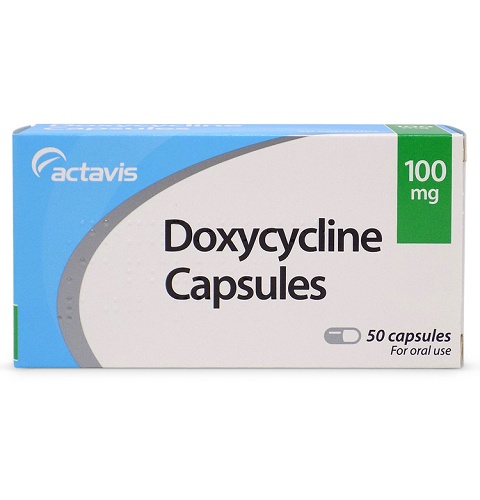
| Name of product | Doxycycline |
|---|---|
| Main substance | Doxycycline |
| Purpose of use | Antibacterial treatment for infections such as respiratory tract infections, acne, chlamydia, Lyme disease, and malaria prevention |
| Strengths available | 50 mg, 100 mg capsules and tablets |
| How soon it starts to work | Improvements often seen within 24–48 hours of starting treatment |
| How long effects last | Therapeutic levels remain for up to 24 hours after each dose |
| Recommended intake schedule | Usually once or twice daily, depending on the infection |
| Prescription status in UK | Prescription-only medicine (POM) regulated by the Medicines and Healthcare products Regulatory Agency (MHRA) |
Doxycycline: essential guide for infection management in the United Kingdom
Doxycycline is a widely-used antibiotic that treats a range of bacterial infections, including conditions affecting the lungs, skin, urinary tract, and more. It’s legally available in the United Kingdom with a prescription, regulated by the MHRA. This guide provides a step-by-step path from understanding your health issue to deciding if and how to access Doxycycline treatment in the UK.
Infections: A Real and Treatable Issue
Bacterial infections are a normal part of life—no one is immune. According to the UK Health Security Agency (UKHSA), over 1.7 million antibiotic prescriptions were written in England alone in 2022 for conditions ranging from chest infections to sexually transmitted infections. Most of these cases are fully treatable. The important thing is recognising symptoms early and understanding that seeking help is not a sign of weakness, but of responsibility. With effective treatment, such as antibiotics like Doxycycline, the vast majority of patients recover without lasting effects.
How Doxycycline Works Against Infection
- What it does at a biological level: Doxycycline belongs to a group of antibiotics called tetracyclines. It works by blocking the ability of bacteria to produce proteins required for their growth and survival.
- What this means in practice: When you take Doxycycline, it prevents bacteria from multiplying, giving your immune system the upper hand to clear the infection.
- How you will notice: Most people start to feel better within two days—fevers subside, pain and discharge reduce, and energy levels improve. In persistent infections (like acne or Lyme disease), changes are gradual and may take weeks.
Because Doxycycline targets bacteria specifically, it is ineffective for viral illnesses (such as colds or flu). The medication’s action is not immediate, but early improvements are usually seen within 48 hours, provided the bacteria are sensitive to Doxycycline.
Is Doxycycline Right for My Situation?
| Your Situation | Is Doxycycline recommended? | Explanation |
|---|---|---|
| You have been diagnosed with chlamydia, acne, or a tick-borne illness (like Lyme disease) | Yes | Doxycycline is a first-choice treatment due to its proven effectiveness and convenient dosing. |
| You have a history of severe allergic reactions to tetracyclines | No | Alternative antibiotics are needed due to the risk of severe reactions. |
| You are travelling to an area where malaria is present | Yes, for prevention | Doxycycline is recommended as a prophylactic in certain malaria risk zones. |
| You are pregnant or breastfeeding | No | Doxycycline can affect foetal bone growth and tooth development; alternative medications are preferred. |
| Your infection is caused by bacteria known to be resistant to tetracyclines | No | In these cases, microbiology guidance is essential to select the right antibiotic. |
| You have kidney problems, or are on anticoagulant therapy | Caution/adapted regimen | Doctor assessment is needed to adjust dose or select alternatives. |
Most adults with common bacterial infections, and without the restrictions listed above, are suitable candidates for Doxycycline. However, it’s essential to discuss your history and current medications with a qualified prescriber before starting any antibiotic—including online services.
Practical Guide: Taking Doxycycline in Real Life
- How to take: Swallow the capsule or tablet with a full glass of water, preferably sitting or standing, to avoid irritation of the oesophagus. For most infections, the course is once or twice daily for 7–14 days. Malaria prevention typically starts 1–2 days before travel and continues daily during the trip.
- With or without food: Doxycycline can cause stomach upset. Taking it with a light meal or snack is usually fine, but avoid dairy products within two hours of your dose as they may reduce absorption.
- If you miss a dose: Take it as soon as you remember—unless it’s close to your next scheduled dose, in which case, skip the missed tablet. Never take a double dose.
- If it doesn’t seem to work: If symptoms haven’t improved after three days, or if they worsen, consult your GP or the prescribing service promptly—resistance or an alternative diagnosis should be considered.
- Side effects you may notice early: Mild nausea, sensitivity to sunlight, or mild diarrhoea. These often resolve on their own. Severe reactions are rare but need immediate attention.
It is important to finish the prescribed course—even if you feel better. Stopping early increases the risk of infection returning and resistance developing. If vomiting occurs within two hours of taking Doxycycline, consult your prescriber as you may need an additional dose.
Who Should Not Take Doxycycline?
Doxycycline is not suitable for everyone. Its use is contraindicated in certain groups due to specific risks:
- Pregnancy and breastfeeding: Doxycycline can cross the placenta and accumulate in developing bones and teeth, leading to permanent discoloration and delayed growth. Safer alternatives exist for these groups.
- Children under 12 years: Risk of dental staining and effects on bone growth means Doxycycline is generally avoided unless no alternative is available.
- Known allergy to tetracycline antibiotics: Risk of serious allergic reactions such as anaphylaxis. If you have reacted to Doxycycline or similar medications in the past, consult your doctor for alternatives.
- Severe liver failure: The medication is metabolised by the liver. Impaired function may increase risk of toxicity.
Always inform your prescriber about your medical history and current medications. An individual assessment is essential if you have complex health conditions.
Potential Side Effects: What to Expect and When to Act
- Common and mild: Nausea, vomiting, diarrhoea, abdominal pain, and increased sensitivity to the sun (photosensitivity rash). These typically resolve on their own if mild.
- Uncommon but important: Oesophageal irritation or ulcers (if not swallowed with enough water), headaches, mild skin reactions.
- Rare and serious: Severe allergic reactions (hives, swelling of face or throat, breathing difficulty), persistent jaundice, severe headache with vision changes (possible sign of raised intracranial pressure), or persistent diarrhoea after finishing the course (possible sign of Clostridioides difficile infection).
If you develop any signs of a serious allergic reaction—such as swelling of the mouth or throat, difficulty breathing, or collapse—seek urgent medical help by calling 999 for emergency services in the UK. For mild side effects, discuss with your doctor or pharmacist how to manage symptoms or whether you should stop the medication.
Medication Interactions: What to Watch Out For
Doxycycline can interact with other medicines and even certain foods, affecting how well it works or increasing side effect risks:
- Antacids and supplements: Calcium, magnesium, aluminium, and iron can bind to Doxycycline and reduce its absorption. Leave at least two hours between taking Doxycycline and these substances.
- Warfarin and other blood thinners: Doxycycline can increase the effects of anticoagulants, raising the risk of bleeding. Regular monitoring and possible dose adjustment may be necessary.
- Oral contraceptives: Doxycycline does not reliably reduce contraceptive effectiveness, but vomiting or severe diarrhoea from antibiotics can. Extra contraceptive precautions may be advised during and for seven days after the course.
- Other antibiotics or epilepsy medicines: Tell your prescriber about all current treatments, as some combinations may not be suitable.
How Does Doxycycline Compare to Alternatives?
| Medication | Common Uses | When it’s preferred | Main limitation |
|---|---|---|---|
| Doxycycline | Respiratory infections, acne, chlamydia, Lyme disease, malaria prevention | First choice for mixed infections and when daily dosing is convenient | Not for pregnancy, children, sensitive bacteria may be resistant |
| Amoxicillin | Chest infections, ear infections, urinary tract infections | Preferred if allergy to tetracyclines or for pregnant women | Not effective against some resistant bacteria; not suitable for all STIs |
| Azithromycin | Chlamydia, certain respiratory infections, traveller’s diarrhoea | When a short, single-dose course is needed | Potential for QT prolongation, resistance in some areas |
| Metronidazole | Bacterial vaginosis, dental infections, certain stomach infections | Preferred for anaerobic bacteria or when Doxycycline is contraindicated | Alcohol must be avoided, not suitable for all infection types |
Doxycycline is effective in most common infections treated in primary care in the UK, especially when a broad-spectrum antibiotic is needed, or there is a risk of multiple pathogens. However, it is not always the best option — patient allergy, pregnancy, age, and type of infection may make alternatives more suitable. Your prescriber will determine the best course based on your individual circumstances, infection type, and local resistance patterns.
Buying Doxycycline in the UK: What You Need to Know
Doctor’s advice: “A prescription is legally required for Doxycycline in the United Kingdom. Legitimate pharmacies—both online and high street—must verify your suitability before supply. If you are offered Doxycycline without a prescription, be cautious: quality and safety cannot be guaranteed.”
| Cost item | Amount (GBP) | Note |
|---|---|---|
| Doctor/Online consultation | £15–£35 | Depending on provider, often included in online pharmacy service |
| Prescription fee (if separate) | £9.65 | NHS prescription charge (England); Scotland, Wales, NI: free |
| Doxycycline medication | £6–£18 per course | Varies by pharmacy, brand, and course duration |
| Delivery | £0–£5 | Standard delivery often free with online orders over a threshold |
| Total | £15–£58 | Minimum (online, all-included) to maximum (separate consultation and delivery) |
Most UK online pharmacies bundle the consultation, prescription, and medicine into one price, with optional express delivery. In-person GP appointments may be free on the NHS, but prescriptions in England incur a standard charge. Private or online prescription services are a legitimate and increasingly popular route, but should always display their MHRA registration and contact details. Do not purchase Doxycycline from unregulated websites, as quality cannot be guaranteed and your health information may not be protected.
Questions People Usually Have at the End
- Can I take Doxycycline if I have already started another antibiotic? Mixing antibiotics without professional guidance is not recommended. Let your prescriber know exactly what you have taken and when before starting Doxycycline, as some combinations are unnecessary or may worsen side effects.
- Is it okay to drink alcohol while on Doxycycline? While moderate alcohol doesn’t render the antibiotic ineffective, excessive drinking may worsen side effects like stomach upset. If possible, limit alcohol until you finish your course.
- What if I develop a rash in the sun? Doxycycline can increase sun sensitivity. Cover up, use high-SPF sunscreen, and avoid sunbeds. If you notice a rash, stop the medication and contact your doctor.
- How do I check if my online pharmacy is legitimate? Look for the General Pharmaceutical Council (GPhC) registration, an MHRA logo, and clear UK contact details. If these are missing, do not proceed with the purchase.

