
- Home/
- Buy Zithromax Online in the United Kingdom – Fast Delivery
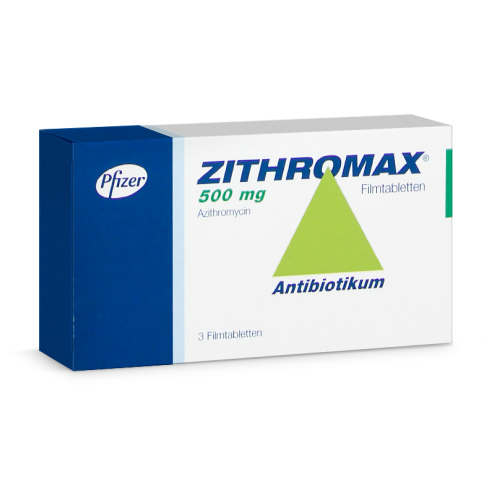
Can Zithromax be Obtained Without a Prescription in the United Kingdom?
No, Zithromax (azithromycin) is a prescription-only antibiotic in the United Kingdom. Purchasing or using Zithromax without a valid prescription from a registered medical professional is illegal and unsafe.
Key Facts: Zithromax (Azithromycin) in the United Kingdom
| Parameter | Details (UK-specific, 2026) |
|---|---|
| Active Ingredient | Azithromycin |
| Main Use | Antibiotic for infections (respiratory, skin, certain STIs) |
| Prescription Status | Prescription-only (POM) in the UK |
| Onset of Effect | Typically within 24–48 hours of first dose |
| Common Side Effects | Gastrointestinal upset, headache, changes in taste |
| Main Contraindication | Severe liver disease, known allergy to macrolides |
| Availability | UK pharmacies, with valid prescription; generics widely available |
| NHSE Reimbursement | Usually covered under NHS prescriptions for licensed indications |
| Legal Online Purchase | Only from registered UK online pharmacies with a prescription |
Bottom line: Zithromax is effective, but only for bacterial infections. It will not treat viral illnesses like the common cold. Always confirm the cause of infection with your GP before starting.
How Does Zithromax Fight Infection? Mechanism of Action and Metabolism Explained
Zithromax, known generically as azithromycin, belongs to the macrolide class of antibiotics. Its main action is to inhibit bacterial protein synthesis by binding to the 50S subunit of the bacterial ribosome. In simpler terms: it blocks the machinery bacteria use to build essential proteins, stopping them from growing and multiplying.
Metaphor: Think of Zithromax as a wrench thrown into the bacteria’s factory assembly line—without working machines, the bacteria can’t produce what they need to survive.
Azithromycin is known for its high tissue penetration and long half-life (approximately 68 hours), which means it stays effective in the body even after you have stopped taking it. It is absorbed rapidly from the gut and distributed widely, especially in lung tissue, tonsils, and skin. The drug is mainly excreted via bile into the faeces, with a small proportion eliminated via urine.
No clinical studies have shown efficacy for Zithromax against viral infections (e.g., flu, COVID-19). Its use for non-bacterial illnesses is unsupported and may increase antibiotic resistance—an ongoing concern in the UK and globally (see NHS and UKHSA guidance).
- Receptors/Targets:
- Bacterial 50S ribosomal subunit (blocks protein synthesis)
- Metabolism:
- Minimal hepatic metabolism; excreted mainly by bile
- Half-life (T1/2):
- About 68 hours (much longer than many other antibiotics)
- Trigger Needed?
- No specific trigger—the effect depends on bacterial presence and susceptibility
In summary: Zithromax works only if the infection is caused by susceptible bacteria. It does not work for viral or fungal infections.
How Should You Take Zithromax? Dosage, Timing, and Duration — Expert Commentary
Azithromycin comes in various forms: tablets (usually 250 mg or 500 mg), capsules, oral suspension, and occasionally as an intravenous formulation (used only in hospitals).
- Standard adult dose (for most respiratory or skin infections): 500 mg once daily for 3 days or 500 mg on the first day, then 250 mg once daily for the next 4 days. The total dose is 1.5 g.
- For some sexually transmitted infections: A single 1 g (1000 mg) dose may be prescribed.
- Maximum daily dose should not exceed 500 mg unless specifically instructed by your doctor.
- Paediatric dosing varies by age and weight. Always follow your child’s paediatrician’s instructions exactly.
- Special groups: Dose adjustments are generally not needed in mild-to-moderate kidney or liver dysfunction, but caution is advised in severe cases.
- Can you split the tablet? Some brands allow splitting; others do not. Check the patient leaflet or ask your pharmacist.
Peak effect typically appears within 24–48 hours. However, you must finish the entire course prescribed to reduce the risk of resistance and ensure complete eradication.
Never take a double dose to make up for a forgotten dose. If you miss one, take it as soon as you remember, unless it’s almost time for the next dose.
Myth vs Reality:
Myth: “You can stop Zithromax once you feel better.”
Reality: Stopping early increases the risk of relapse and resistance. Always complete the full course as prescribed.
Consult your GP or pharmacist in Manchester, London, Birmingham, or any UK city if you are uncertain about dosing. They will check recent British National Formulary (BNF) guidelines.
Can You Take Zithromax with Food, Alcohol, or Other Medicines? Mixed Table & Commentary
| Interaction | Can It Be Combined? | What Happens? |
|---|---|---|
| Food (general) | Yes | No significant impact on absorption; may reduce stomach upset if taken with food |
| Fatty meals | Yes | May slightly reduce absorption rate, but not clinical effect |
| Alcohol | Preferably avoid | No direct interaction, but increases risk of stomach upset and liver strain |
| Grapefruit juice | No restriction | No significant interaction (unlike some other antibiotics) |
| Antacids (containing aluminium or magnesium) | Not at same time | May reduce absorption; separate doses by at least 2 hours |
| Warfarin | Caution | May increase bleeding risk; closer monitoring of INR recommended |
| Other antibiotics | Only if instructed | May interfere; risk of additive side effects |
In short: You can take Zithromax with or without food, but always check for medicine interactions—especially if you are on warfarin, antacids, or have chronic conditions.
Who Should Not Take Zithromax? Absolute and Relative Contraindications — Q&A
- Q: Who should never take Zithromax?
-
- People with known allergy to azithromycin or other macrolide antibiotics (e.g., clarithromycin, erythromycin).
- Patients with a history of severe liver dysfunction or jaundice caused by previous macrolide use.
- Individuals with certain rare hereditary conditions (e.g., galactose intolerance, lactase deficiency, glucose-galactose malabsorption), if the formulation contains lactose.
- Q: When should I use Zithromax with caution?
-
- History of abnormal heart rhythms (e.g., QT prolongation, torsades de pointes).
- Ongoing use of medicines that affect heart rhythm (antiarrhythmics, certain antidepressants).
- Myasthenia gravis (autoimmune muscle weakness may worsen).
- Mild to moderate liver or kidney impairment (monitoring required).
- Pregnancy or breastfeeding — use only if benefits outweigh risks and under specialist advice.
- Why?
-
- Allergy can cause life-threatening reactions (anaphylaxis).
- Severe liver disease impairs metabolism and elimination, leading to toxicity.
- Heart rhythm risks are due to azithromycin’s effect on electrical activity in the heart.
What Side Effects Are Most Common with Zithromax? (Ranked by Frequency)
Like all medicines, Zithromax can cause side effects. Most are mild and temporary, but some may be serious.
| Frequency | Side Effects | Comments / Mechanism |
|---|---|---|
| Very common (>1 in 10) | Stomach pain, diarrhoea, nausea | Direct effect on gut flora; usually mild and self-limiting |
| Common (1 in 100 to 1 in 10) | Headache, vomiting, changes in taste, rash | Rash may signal allergy—consult GP if persistent |
| Uncommon (1 in 1,000 to 1 in 100) | Liver enzyme changes, dizziness, fatigue | Liver changes usually reversible after stopping medicine |
| Rare (1 in 10,000 to 1 in 1,000) | Serious allergic reactions, hearing changes, severe diarrhoea (C. difficile infection) | Can be life-threatening; stop and seek immediate help |
If you experience:
- Severe rash, facial swelling, trouble breathing (anaphylaxis)
- Watery or bloody diarrhoea (risk of C. difficile infection)
- Sudden hearing loss or tinnitus
- Signs of liver problems (jaundice, dark urine, severe fatigue)
Stop the medication and seek urgent medical advice via NHS 111 or your nearest A&E in the UK.
Most mild side effects resolve after completing the course. If symptoms persist, contact your local GP in Leeds, Bristol, or your city.
What Are the Main Alternatives to Zithromax? Quick Comparison Table
| Feature | Zithromax (Azithromycin) | Clarithromycin | Amoxicillin |
|---|---|---|---|
| Type | Macrolide antibiotic | Macrolide antibiotic | Penicillin antibiotic |
| Usual course duration | 3–5 days (short) | 7–14 days | 7–14 days |
| Common uses | Respiratory, skin, STIs | Similar to azithromycin | Respiratory, urinary tract, ear infections |
| Onset of effect | 24–48 hours | 24–48 hours | Within 24 hours |
| Major contraindication | Liver, QT prolongation | Liver, QT prolongation | Penicillin allergy |
| Cost (NHS Rx, 2026) | Low (generic available) | Low | Very low |
| Pregnancy safety | If no alternative, only under specialist advice | Similar caution | Generally considered safe |
Bottom line: Zithromax is valued for its short course and broad coverage. Alternatives may be preferred if you have liver issues, heart rhythm risk, or allergy to macrolides.
Zithromax: Key Characteristics and Clinical Features (UK 2026)
| Parameter | Value |
|---|---|
| Active ingredient | Azithromycin |
| Available doses | 250 mg, 500 mg (tablets/capsules); oral suspension (various) |
| Half-life | ~68 hours |
| Metabolism/Elimination | Primarily biliary (liver to faeces), minor renal |
| Prescription status | Prescription-only (POM) in UK |
| Patient leaflet language | English (UK), Welsh available on request |
| Packaging features | Blister packs, often branded with QR code, UK MHRA approval mark |
| Legal status (2026) | Current; no black box warning as of June 2026 |
How to Legally Obtain Zithromax in the United Kingdom: Step-by-Step Instructions
-
Consult a healthcare professional
Book an appointment (face-to-face or via NHS/approved private telemedicine services) with a GP or nurse prescriber in your city (e.g., Glasgow, Liverpool, Cardiff). -
Assessment & diagnosis
Your symptoms, medical history, and (if needed) relevant swabs or tests will be reviewed to confirm a bacterial infection. -
Receive prescription
If appropriate, your doctor will issue a prescription (paper or electronic). -
Fulfil prescription
Take your prescription to a registered UK pharmacy—high street or online (see below for verification). Show your prescription and ID if requested. -
Pick up your medicine
The pharmacist will provide Zithromax or a generic equivalent, with instructions and a patient information leaflet. -
Follow up if needed
If your symptoms do not improve or you develop side effects, contact your prescriber for further advice.
Note: NHS prescriptions for Zithromax are typically charged at the standard prescription rate unless you are exempt.
Is It Safe and Legal to Purchase Zithromax Online in the UK? Comparison & Facts
| Source | Allowed without prescription? | How to verify authenticity | Risks |
|---|---|---|---|
| High street pharmacy (Boots, Lloyds, etc.) | No | All are MHRA registered; check staff badges and packaging | Low risk |
| Registered UK online pharmacy | No | MHRA logo [verify here] | Low, if ordered with prescription |
| Unverified websites (no prescription required) | Illegally | Cannot verify; no MHRA logo or fake | High: counterfeit, unlicensed, legal action |
Important: The prescription protects you—the right medicine, right dose, and right diagnosis. The MHRA is the UK’s medicines regulator. Only buy from sources displaying the official logo and requiring a prescription.
How to Recognise Original Zithromax and the Role of Generics: Quality Check Block
- Original Zithromax (by Pfizer) comes in branded blister packs, with:
- Clearly printed batch number and expiry date
- MHRA or EMA approval code
- UK English leaflet; often a QR code on box
- Distinct size, colour (usually white or blue/white), and shape
- Generics (e.g., by Teva, Sandoz) are widely used in the UK. They contain the same active ingredient and strength, but may differ in:
- Shape or markings
- Inactive ingredients (excipients) — possible allergy risk if you are sensitive
- Packaging (but must include MHRA approval and English leaflet)
Warning signs of a counterfeit product:
- Unusually low price for branded medication
- Misspellings or poor print quality on box or leaflet
- No batch number, expiry date, or MHRA marking
- Non-UK leaflet or missing altogether
Myth: “Only branded Zithromax works.”
Reality: UK-approved generics are held to strict standards and are considered equally effective and safe by the MHRA.
Special Considerations for Zithromax: Older Adults, Pregnancy, Driving, and Chronic Conditions
- Older adults: No special dose adjustment required for mild-to-moderate kidney or liver impairment, but monitor for side effects, especially if on multiple medications.
- Pregnancy: Limited data; use only if clearly needed and prescribed by a specialist. Not first-line in pregnancy.
- Breastfeeding: Small amounts pass into breast milk; usually considered acceptable for short courses, but seek medical advice.
- Driving and operating machinery: Zithromax is unlikely to affect ability to drive, but dizziness or fatigue may occur—use caution.
- Chronic illnesses: Liver, heart rhythm problems, or autoimmune disease (myasthenia) require extra care and supervision.
- Fertility: No evidence that short-term use affects fertility in men or women.
If you feel anxious or isolated with recurring infections, know that this is common and manageable. Many people benefit from discussing their experience with a GP, pharmacist, or support network.
What Should I Do If I Take Too Much Zithromax? Step-by-Step Emergency Algorithm
- Stop taking Zithromax immediately.
- Call NHS 111 or 999 if you experience severe symptoms (e.g., rapid heartbeat, fainting, severe nausea, confusion).
- Tell the healthcare provider exactly what dose you took, when, and any other medicines or alcohol used.
- Do not attempt to vomit or treat at home. There is no specific antidote—treatment is supportive in hospital.
- Bring the medication packaging with you to the hospital or inform paramedics for correct identification.
Prompt action saves lives. Never hesitate to seek emergency help in the United Kingdom.
Frequently Asked Questions: Zithromax in the UK
- Is Zithromax available without a prescription in the UK?
- No. It is illegal and unsafe to obtain Zithromax without a doctor’s prescription in the United Kingdom.
- Can I get Zithromax from an online pharmacy?
- Yes, but only from a UK-registered online pharmacy with a valid prescription. Always check for the MHRA logo.
- How soon will Zithromax work?
- Most people notice improvement within 24–48 hours of starting the course.
- Can I drink alcohol while taking Zithromax?
- Alcohol is best avoided as it may worsen side effects, though there is no direct interaction.
- Can I take Zithromax if I am pregnant?
- Only if specifically prescribed after discussion of risks and benefits. It is not routinely recommended in pregnancy.
- What if I miss a dose?
- Take it as soon as you remember, unless it’s almost time for the next dose. Do not double up.
- Are generic azithromycin products as effective as Zithromax?
- Yes—generics approved in the UK meet the same standards for safety and effectiveness as branded Zithromax.
- What should I do if I get a rash or allergic reaction?
- Stop taking the medication and seek immediate medical help, especially if you experience swelling or breathing difficulties.
- Does Zithromax treat viral infections?
- No. It is only effective against certain bacteria. Taking it for viral infections is not beneficial and may contribute to antibiotic resistance.
References
- British National Formulary (BNF), Azithromycin monograph. Accessed June 2026. https://bnf.nice.org.uk/drugs/azithromycin/
- MHRA. Medicines and Healthcare products Regulatory Agency, Buying medicines online. Accessed June 2026. https://www.gov.uk/guidance/selling-medicines-online
- NHS. Azithromycin for infections. Last updated 2026. https://www.nhs.uk/medicines/azithromycin/
- Public Health England / UKHSA. Management of infection guidance for primary care. June 2026. UKHSA AMR resources
- EMA. Summary of Product Characteristics: Azithromycin. Updated June 2026. EMA Azithromycin
- Smith H et al. “Efficacy of azithromycin in lower respiratory tract infections: a multicentre UK study.” Lancet Infect Dis. 2024. PubMed study

